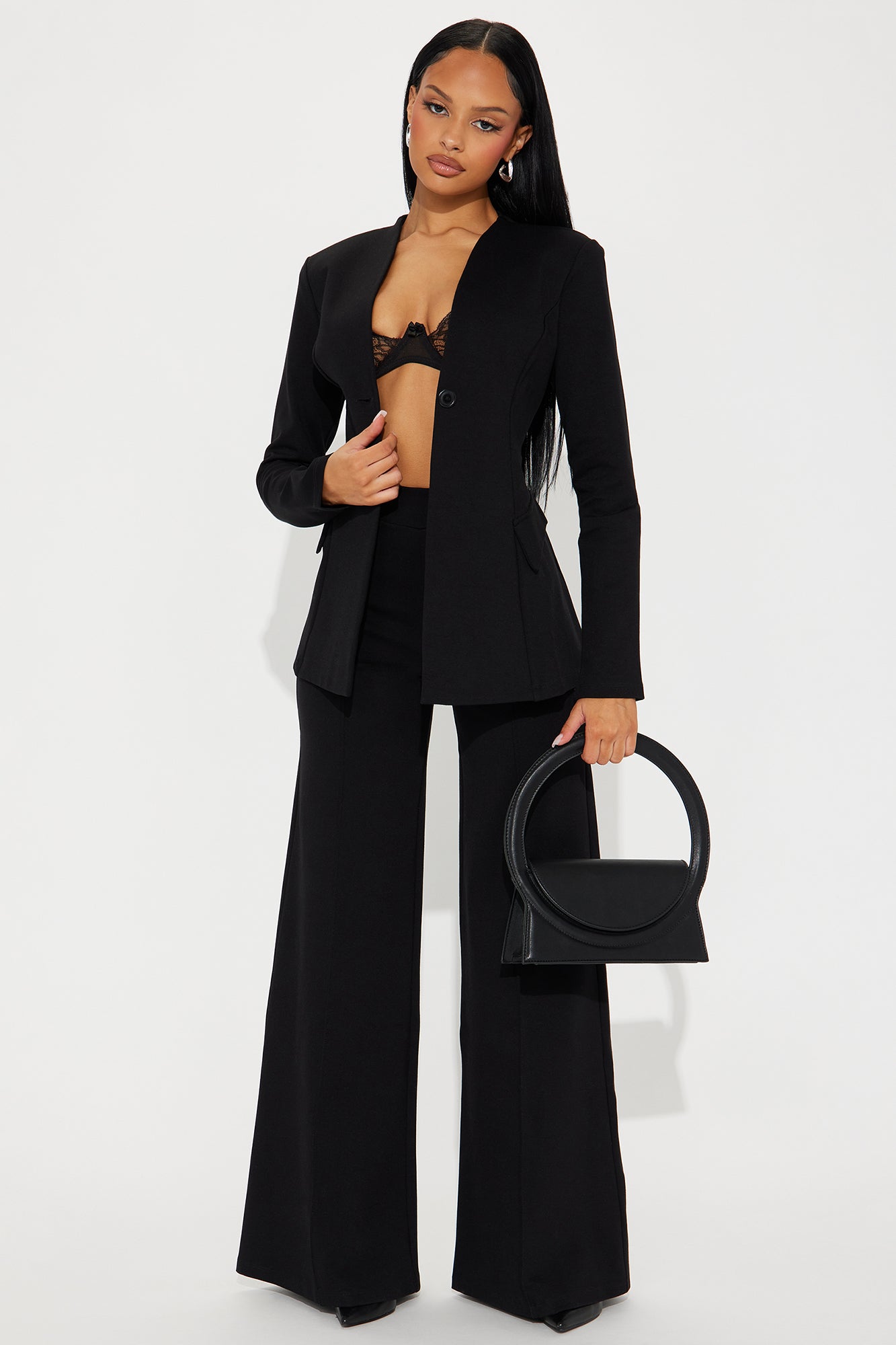
The three-word method distills personal style into three adjectives — one describing how you already dress on a normal day, one describing how you dress at your best, and one that's aspirational, the direction you're moving. Used properly, the words are a filter: every purchase and outfit should satisfy at least two of them, and a word that can't reject anything is too vague to keep.
The three-word method went viral as a party trick — name three adjectives, feel understood, move on. The actual method, popularized by stylist Allison Bornstein, is sturdier than its clips suggest: the words aren't a description, they're a decision-making tool, and the difference is whether they ever get to say no.
The structure matters. Word one is grounded — how the dressing already happens on an unremarkable Tuesday. Not the fantasy: the actual repeated reality, named without judgment. 'Relaxed,' 'classic,' 'practical.' Word two is the elevated version — how it looks on the days it works. Word three is aspirational, chosen from the saved-image pile: the direction, not the destination.
The failure mode is vagueness. 'Chic, timeless, elegant' sounds lovely and filters nothing — no purchase in history has been rejected by the word 'chic.' A working word is specific enough to exclude: 'structured' says no to the fourth floaty blouse, 'seventies' says no to the minimalist column dress, however beautiful. If all three words would approve everything in the cart, start over.
Then actually use them. At the point of purchase: does this satisfy at least two of the three? Getting dressed: which word is missing from this outfit, and what one change adds it? The method earns its keep in those small moments, not in the naming ceremony — the words are cheap, the discipline is the product.
The filter gets sharper when it's visual: render a candidate purchase on your own photo in Draped and ask which of the three words it serves. A piece that photographs outside all three usually feels like a stranger's within a month.
The formula
Word one — the reality
How the dressing already happens on a normal day, named honestly.
Word two — the best day
The elevated version that already exists on the days it works.
Word three — the direction
Aspirational, pulled from the saved-image pile. Direction, not costume.
The two-of-three rule
Every purchase and outfit satisfies at least two words, or it doesn't come home.
The vagueness check
A word that can't reject anything — 'chic,' 'timeless' — gets replaced with one that can.
See it on you, not a model
Draped renders personal style on your own photo before you buy a thing. Invite-only beta, opening up slowly.
Get the beta inviteQuestions people actually ask
What are good examples of three style words?
Specific beats flattering: 'structured, inky, seventies' works harder than 'chic, classic, elegant.' The test isn't whether the words sound good — it's whether each one could veto a real purchase.
Can my three words change over time?
They should — the aspirational word especially, since it points at a direction rather than a fixed identity. Revisiting the trio once a year keeps it a tool instead of a tattoo.
What if I can't narrow it down to three words?
Start from evidence rather than brainstorming: pull thirty saved images and name what repeats. The struggle to narrow usually means the words are being invented instead of observed.