Seasonal color analysis sorts personal coloring into spring, summer, autumn, or winter using three variables: undertone (warm or cool), depth (light or dark), and clarity (bright or muted). Warm and bright points to spring, cool and muted to summer, warm and muted to autumn, cool and bright to winter — and the 12-season system splits each season into three finer types.
Seasonal color analysis has been through several lives — an eighties phenomenon, a decade of eye-rolling, and now a second act driven by draping videos. Underneath the theater is a real observation: certain color families sit harmoniously against a given complexion and others visibly fight it, and the pattern is consistent enough to name.
The system runs on three variables. Undertone: whether skin leans warm (golden, peachy) or cool (pink, blue-ish) — the biggest single factor. Depth: how light or dark the overall coloring reads, hair and eyes included. Clarity: whether bright, saturated color harmonizes with the face or overwhelms it, versus softer, dustier color. The four seasons are just the four main combinations — warm-bright spring, cool-muted summer, warm-muted autumn, cool-bright winter.
Self-diagnosis is imperfect but workable. Check the wrist veins in daylight: green-ish suggests warm, blue-purple suggests cool, both means neutral. Ask which metal genuinely flatters — gold pulls warm, silver pulls cool. Hold a stark white shirt and then a cream one under the chin in natural light and watch the face, not the shirt: one version wakes the complexion up, the other drains it slightly. Repeat the trick with a bright color versus its dusty cousin, and the season usually declares itself across two or three of these tests.
The 12-season refinement splits each season by its dominant trait — a Deep Autumn reads first as dark, a Soft Autumn as muted, a Warm Autumn as golden — which mostly matters for edge cases who sit between two seasons. Either way, the result is a palette, not a prison: it says which version of a color to reach for (tomato red versus berry red), almost never that a color is off the table entirely.
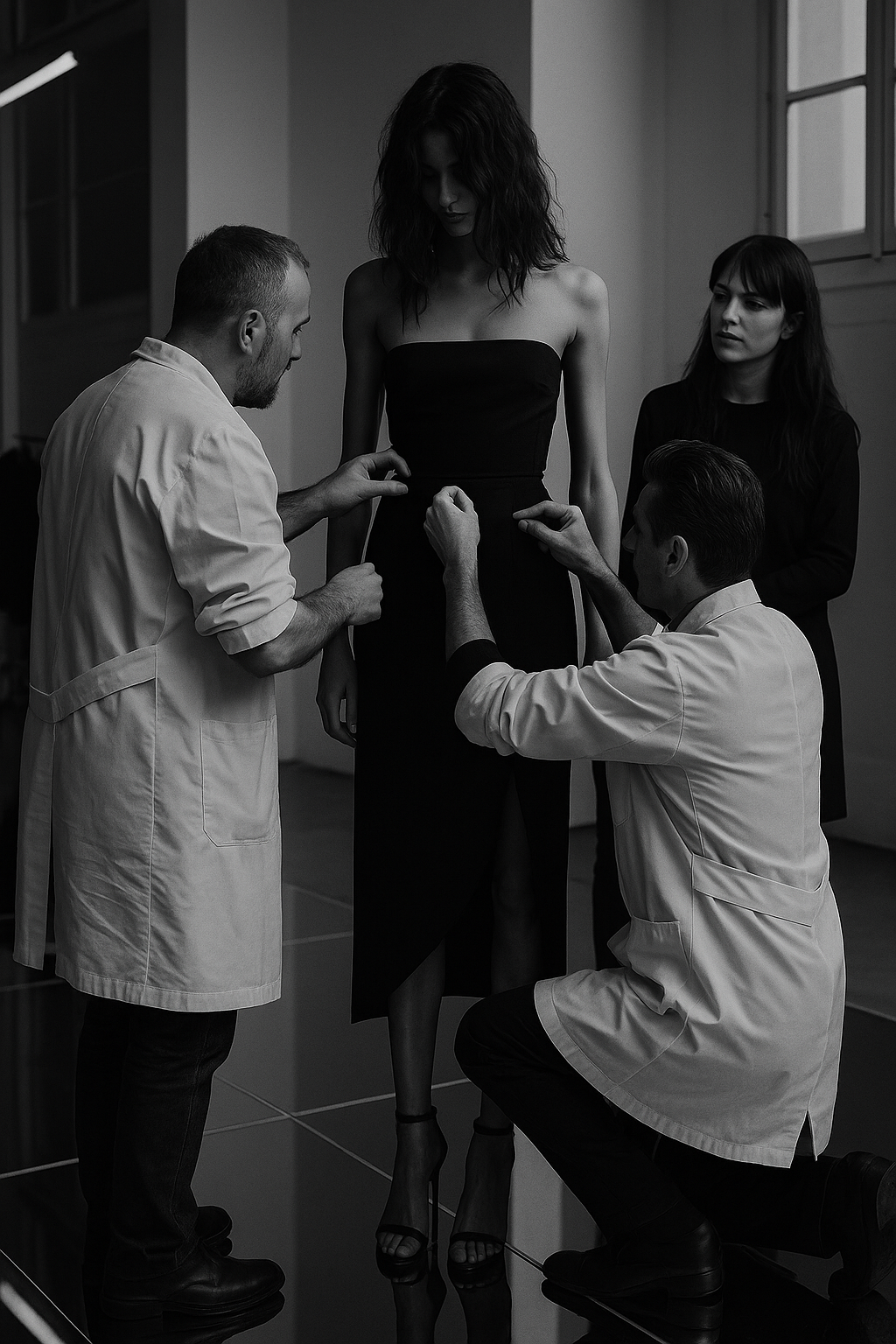
Draping is just try-on with fabric, which is exactly what a render replaces: put the same dress in two versions of a color against your own photo in Draped, side by side, and the season question answers itself faster than a swatch kit can.
The formula
The undertone check
Wrist veins in daylight, and which metal flatters — gold pulls warm, silver pulls cool.
The white-versus-cream test
Both under the chin in natural light. Watch the face, not the fabric.
The clarity test
A bright, saturated color against its dusty cousin — one harmonizes, one shouts.
The season call
Warm-bright spring, cool-muted summer, warm-muted autumn, cool-bright winter.
The palette, not the prison
The result picks which version of a color — it rarely bans a color outright.
See it on you, not a model
Draped renders color on your own photo before you buy a thing. Invite-only beta, opening up slowly.
Get the beta inviteQuestions people actually ask
Can I do seasonal color analysis on myself?
Yes, with daylight and patience — the vein, metal, and white-versus-cream tests get most people to the right season. Professional draping adds precision at the boundaries, but the self-diagnosis is a solid starting point, and it's free.
What's the difference between the 4-season and 12-season systems?
The 12-season system splits each season into three by its dominant trait — deep, soft, warm, cool, bright, or light. It matters most for people who sit between two seasons; if the four-season answer already feels obvious, the refinement is optional.
Do I have to give up colors outside my season?
No — the honest version of the system picks versions, not bans. A cool winter wears tomato red as berry red, or keeps the off-season color away from the face in a trouser or bag, where it can't argue with the complexion.
Does hair color change my season?
Dyed hair can shift which colors sit well near the face, but the underlying season follows skin undertone, which doesn't change. Most colorists effectively work within it anyway — the shades that suit tend to share the skin's temperature.